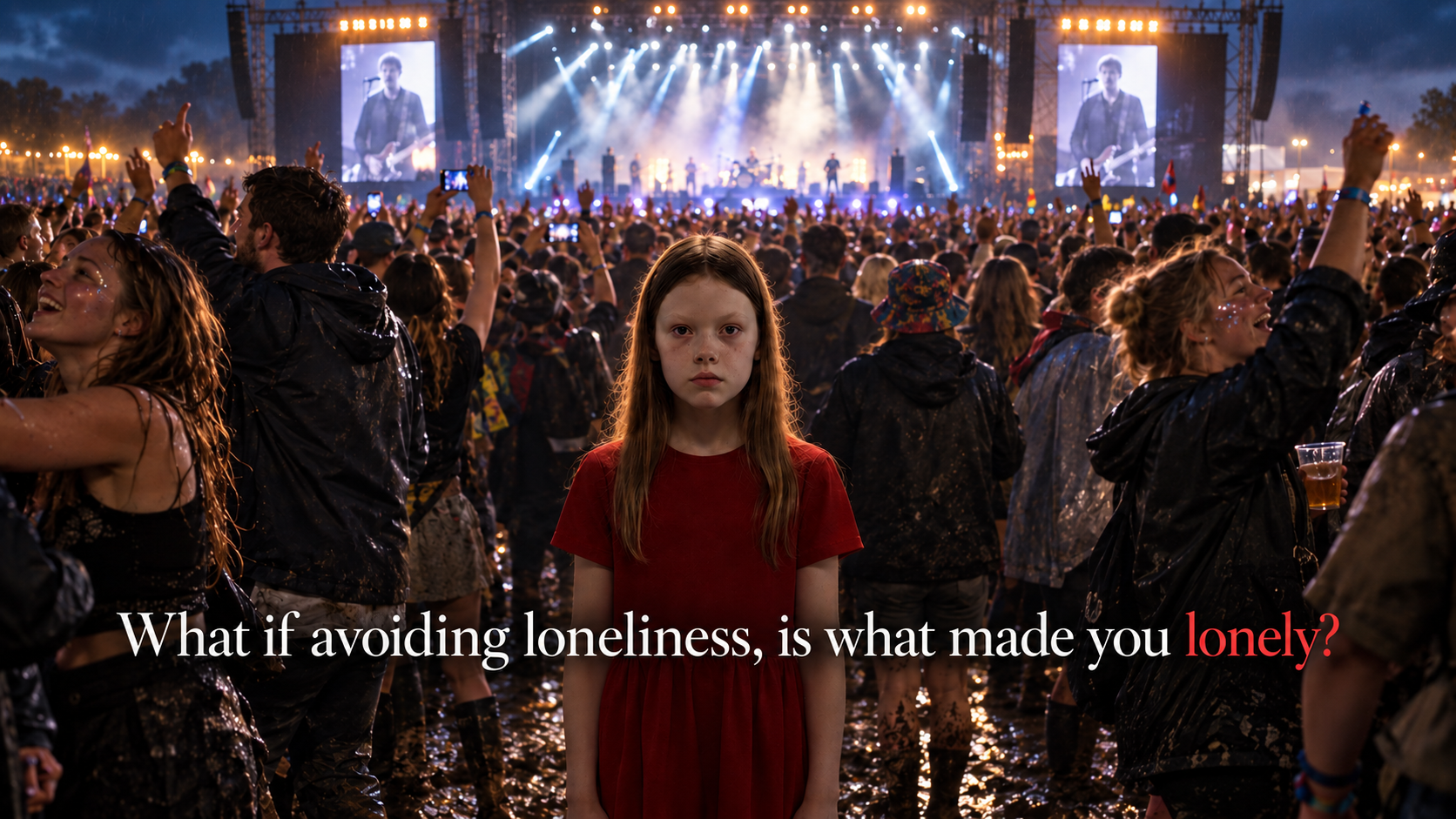
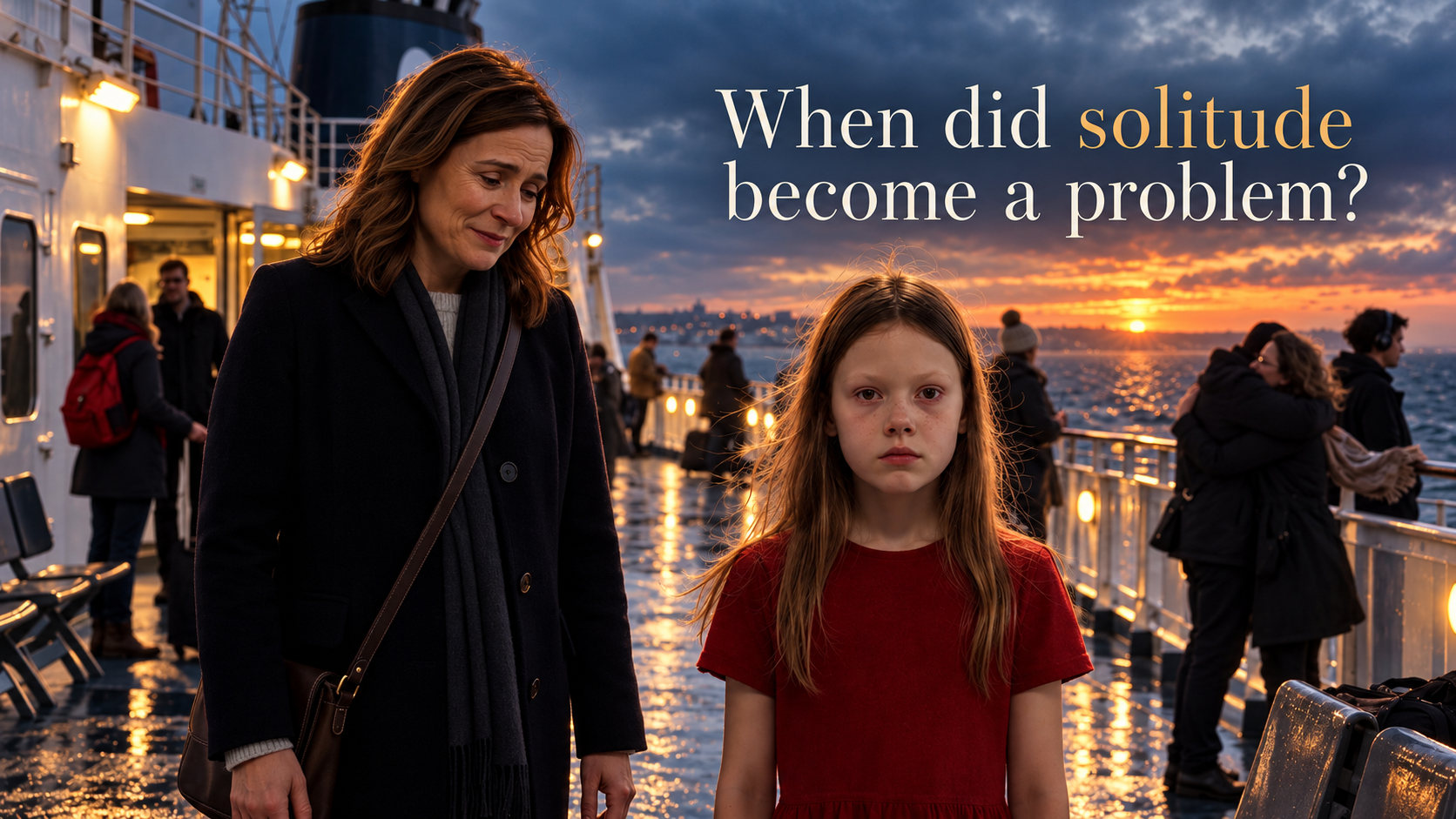
The word solitude comes from the Latin solitas, and means the quality of being without anyone else. It means learning to be with oneself. Solitude is an innate part of life. Birth itself speaks of the solitude of the newborn. Of the exclusive emotional, mental and physical experience that being will go through throughout its life. And we know nothing more, because no one was there to remind us how we lived inside the mother’s womb, or what our birth was truly like. The only one who could do so is me, but I have forgotten. Experience is individual, within an inherited world. Everything you live is exclusive to you. You are the only one who hears your thoughts and knows your feelings. You are the only one who feels your body, your pains or your strengths. You are the only one who remembers your story, your greatest successes, your biggest failures. That humiliation, or that joy. That pain, or that revelation. You are the only one who lives your life. The rest is illusion and momentary in time, sustained by beliefs. Truly I tell you, when you isolate yourself, that is when you stop living your life -when illusion becomes real and time feels eternal-. When beliefs pull you away from the individual nature of your birth. But for your individual life to be solitude does not mean being alone, and that is the great lie, because solitude is the result of a collective inherited process. It is collective intervention that allows the individual the intimate experience -that of solitude-. Thus, being alone is not a lifestyle, but a biological nature, turned into a lifestyle by the fear created by the adventure of solitude. Because when you realise yourself through solitude, you discover the collective world that surrounds it. You stop following institutions and their programmed game. You detach from what is established, because you are connected to the solitude that comes from living in a collective-connected world.