God Before God (the origin of the word)
The idea of God has accompanied humanity throughout all known ages. Therefore, to understand the concept of God, one must first understand its etymological meaning. In Latin, the word for god is deus, and it originates from the common Indo-European root dyeu / dyu, which means “daylight.” The name Zeus also derives from this root. This same origin lies at the base of the name Jupiter, which comes from Dyeuis, but in the nominative form it is invoked as father (pitar / piter), thus forming Dyu-piter. Let us not forget that both Zeus (Greek) and Jupiter (Roman) represent the same god of the Olympian pantheon. He is the supreme god of the sky and of atmospheric phenomena, associated with thunder, lightning, and light. It has long been believed that the Romans adopted the religion of the Greek gods literally. While it is true that they incorporated deities such as Apollo or Dionysus–Bacchus, this was not the case with Zeus. Rather, in the context of cultural exchange, the figures were simply identified with one another.
The Roman Empire was once so great that it had to be divided into two; thus appeared the Western Roman Empire and later the Eastern -Byzantine-. In the latter, Greek continued to be a common language, and the common word in Greek for “god” is “theos”, which has generated words such as atheist, theocentrism, theist, atheism, etc. In vulgar Romance language, the word Dios is written with a capital letter, because the dominant religion is monotheistic and only one is conceived, but in Latin it is written in lowercase, since it is a common noun, as in Roman religion many gods were considered. On the other hand, the Latin words deus and divus both originate in a common form of archaic Latin, deivos -god- and its feminine form deiva -goddess- which in Classical Latin generate the words dea and diva, and which runs in parallel with ancient Indian and Sanskrit deváh, or for example with Lithuanian devas or Celtic devos. This Indo-European root of variants -dyeu / dyeu- refers to daylight, and to the brightness of light, which in the Indo-European mental background is attributed to the gods; it also provides in Latin the word dies -day: luminous part of the day, characterised by sunlight as opposed to nightand the name of the goddess Diana. In Greek it also gives the word delos -bright, visiblewhich gives rise to the proper name of the Greek island of Delos, appellative -Delio- that the ancient Greeks gave to the god Apollo, and to some modern neologism of Greek base such as the word “psychedelic”, which means “related to the visible manifestation of hidden psychic elements, related to the intense stimulation of psychic powers so that they manifest in visible forms”. Before “god” was pater, that is, God the Father, it was something like an entity of light. Every being of light was a god, and generally it refers to the luminaries in the sky.
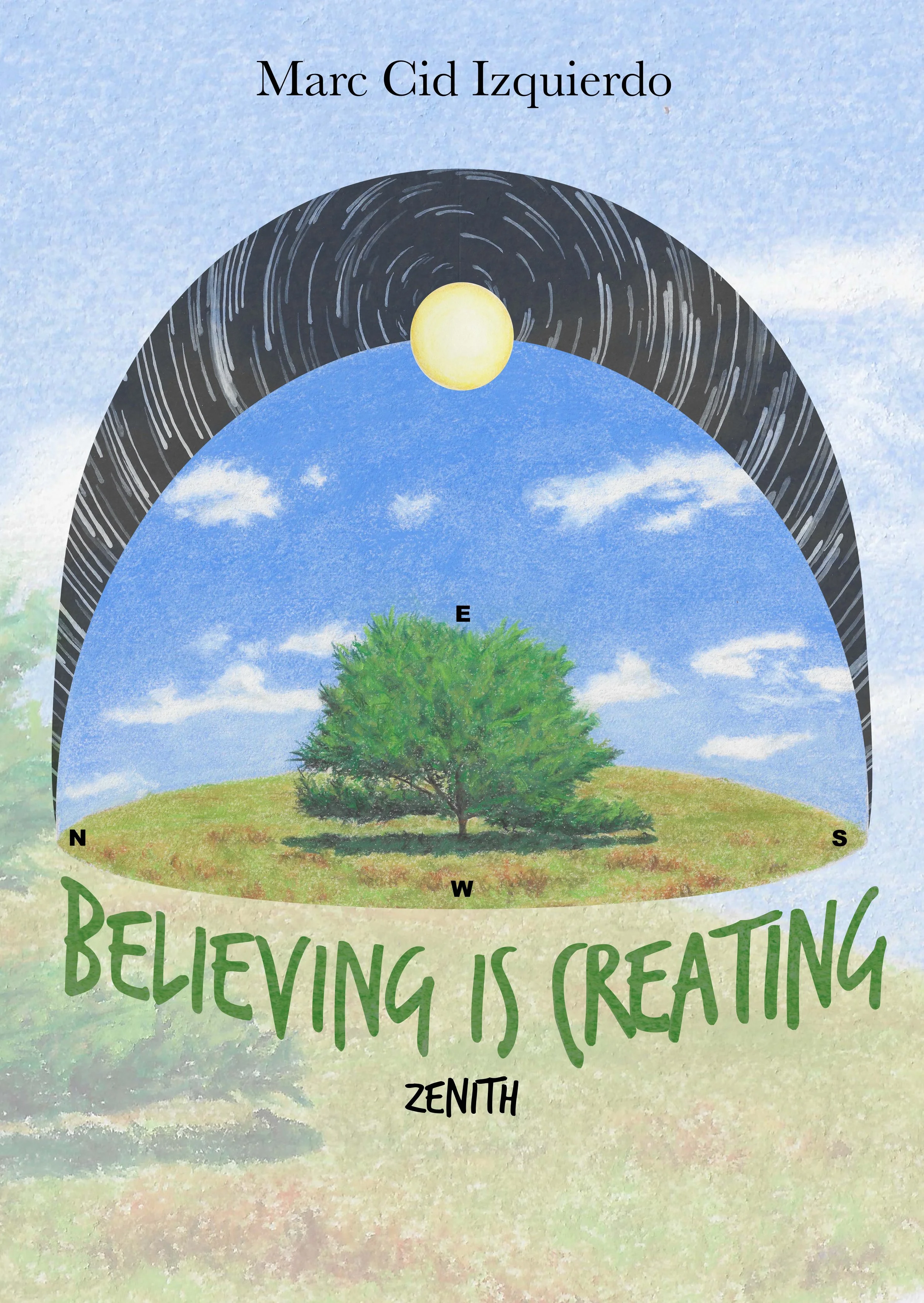
The etymological origin of the English word God comes from the Proto-Germanic gudan, though its exact meaning is unknown. It is believed to be related to calling or invoking. Some scholars connect it to the Sanskrit word hutá, which means “someone to whom sacrifices are made,” and which was also used to refer to the Vedic god Indra. It is also important to note that Gudanaz or Wodanaz is the name given to the All-Father in the pantheon of Norse gods, Odin, whose name means “lord of frenzy” or “leader of the possessed,” in Old Norse theonymy. Therefore, while for Romance languages the concept of God refers to identities of light, such as the Sun in particular, for Germanic languages, God refers to an invisible omnipotent identity. The primordial concept of God, as an entity of light, has been divided into two groups of beliefs mainly. The belief in the gods and goddesses of the sky and the earth, masters who guide and divert from the earthly cycle. To shine with one’s own light, to resolve the mysteries about the science of good and evil. Represented in the luminaries of the sky and in the circle of the earth. The belief in an invisible Creator, Unique, an architect who resembles the creatures he created. A living being who must be worshipped, who observes and judges our actions. Represented in the Sun. God is light: it is outside and also inside you, regardless of whether you believe it or not.