The god who dies and is reborn: origin of a universal narrative
The worship of the Sun God became so widespread that his death, resurrection, ascension and descent were narrated through the process known as the vernal point. The winter solstice is a sacred date dedicated to the Sun, for it is at this moment that the Sun is reborn after having remained still for several consecutive days, leaving us in the most absolute darkness. The Romans called it Sol Invictus, because when it seems that the Sun is dying, it is reborn the following day, reminding the world that it cannot die. The eternal continuity of life through cycles of ascent and descent. The constant victory of life over death, which manifests itself in the form of rebirth during the spring equinox, when the Sun seemed to consolidate itself upon the Earth and it flourished, until reaching the summer solstice, when the Sun displays all its potential. From the summer solstice to the winter solstice, the days begin to grow shorter and colder.
From the perspective of the northern hemisphere, the Sun appears to move southwards, becoming increasingly smaller. As the days shorten and the harvest comes to an end, the Earth seems to die and the Sun appears to abandon it. Before the 22nd of December, the “solar death” can be fully observed, and since the Sun moves continuously southwards for six months, it is also the day on which it reaches its lowest point in the sky. It is then that the Sun ceases to move southwards, at least as far as can be perceived, and it does so for three days. During these days, the Sun remains in the vicinity of the constellation known as the Southern Cross. After these three days of stillness, on the 25th of December, the Sun turns one degree, this time towards the north, bringing with it the light to the Earth.
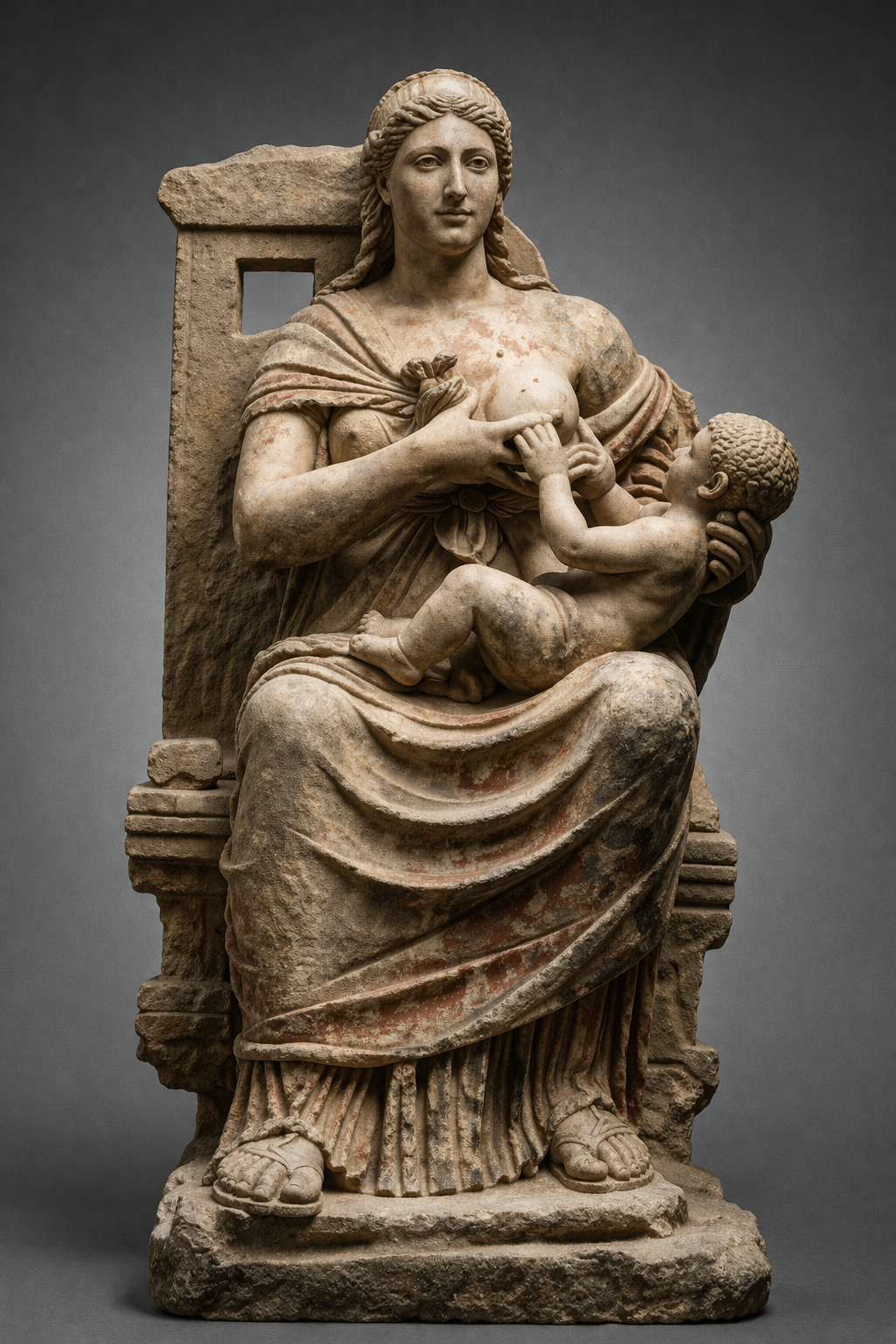
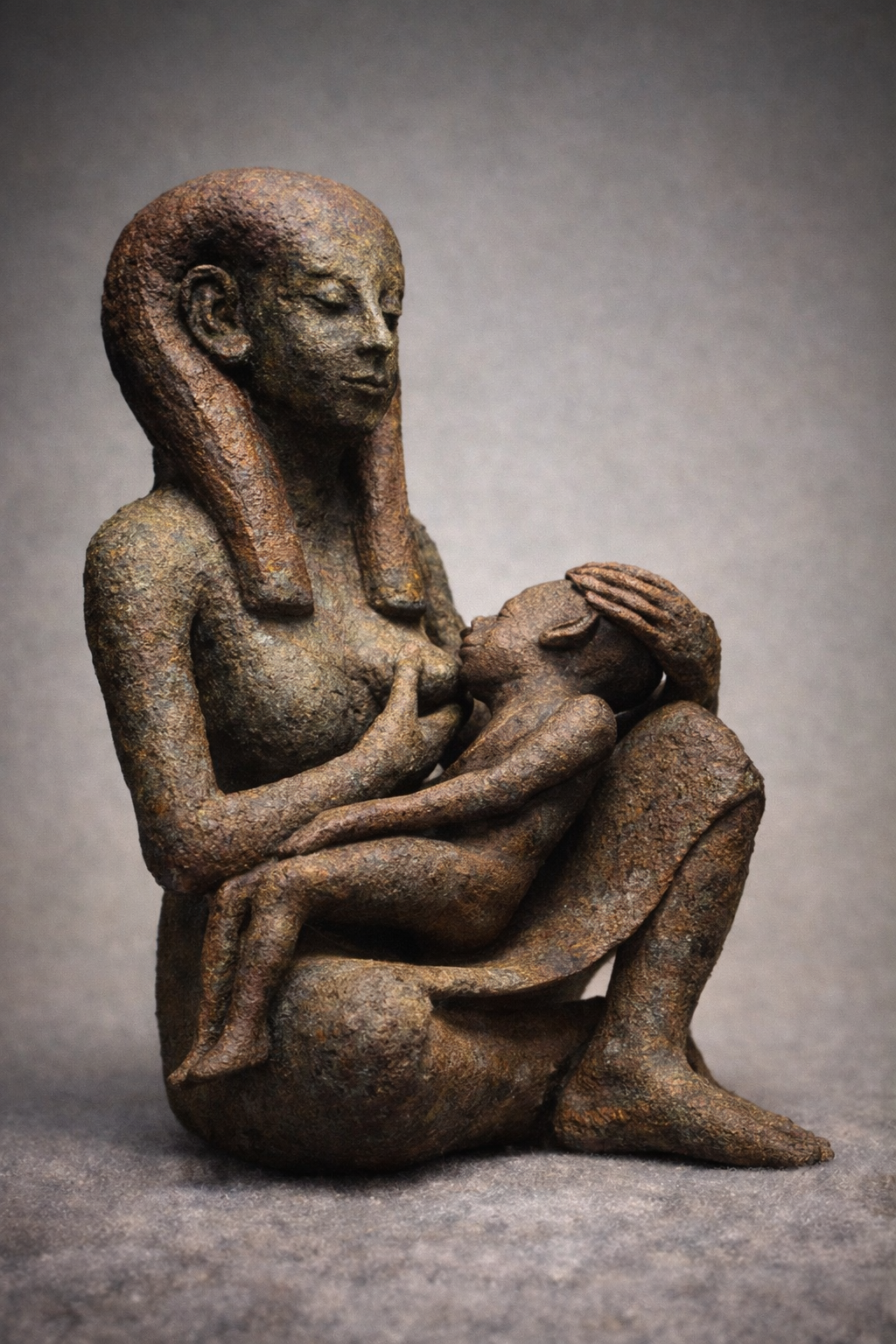
The ascent, descent, death and rebirth of the Sun have been mentioned in the myths of all known civilisations. The Egyptians, for example, represented it in the figure of the solar god Horus, son of Isis -the Earth-, who was inseminated by the semen of Osiris -the Heavens-. Later narratives of the original myth, based on celestial movements and their relationship with the Earth, were transformed over time. Thus arose the epic of a god or invincible human leader, born of a virgin: that is, the Sun reincarnated in human form.
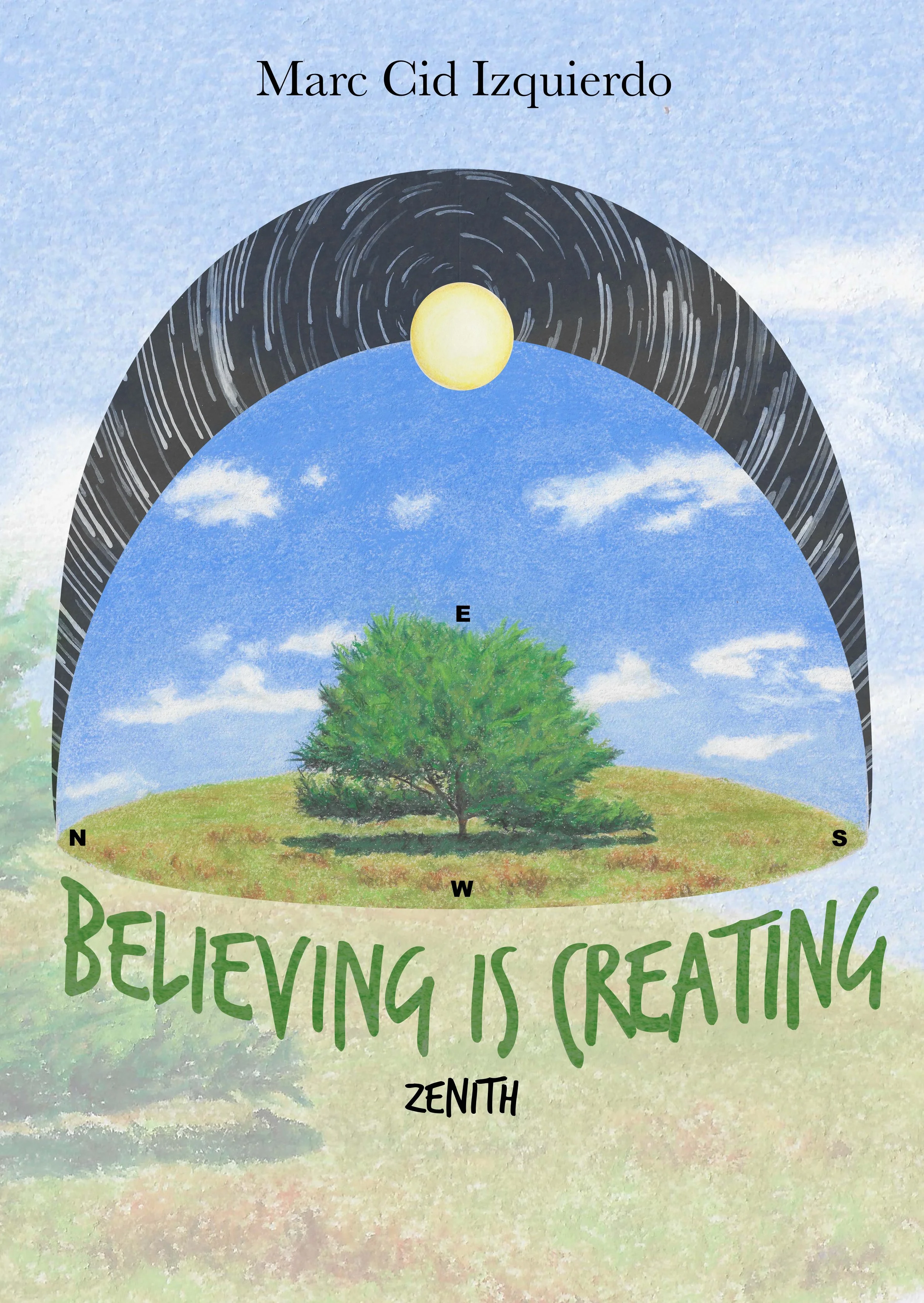
Each one of these three reincarnations of the Sun, sons of a virgin, would represent a solar age determined by the vernal point. In the Hebrew Bible three solar ages are identified -those of Taurus, Aries and Pisces-, and a fourth is mentioned -Aquarius-, through different figures such as Abraham, Moses or Jesus of Nazareth. In ancestral myths, three other ages can also be recognised -those of Gemini, Cancer and Leo-, and reference is made to a fourth -Virgo-, through characters such as Hercules, the Sphinx, Enoch, Deucalion, Oannes, etc. All these stages would be related to states of consciousness that affect humanity internally, depending on the zodiacal sign we are passing through.