The Salvation Industry (The New Religion of the Self)
The New Age is a movement that emerged in the mid-20th century, and refers to the entry into the new astrological era -constellation of Aquarius-. Thus, what this movement is about is the announcement of the imminent arrival -others claim it is already here- of the Age of Aquarius. According to New Agers, in this era the human being will live in a period of peace, wellbeing, serenity and harmony. Since they will have left behind the Age of Pisces, which supposedly entailed 2,160 years of conflicts and wars over beliefs. New Age schools present themselves through different cults, philosophical and esoteric currents, occult doctrines, ideological systems, healing therapies, alternative medicine, environmentalism, dietary practices, activism, etc. The ideas formulated by its followers are usually linked to spiritual exploration, Eastern mystical beliefs and/or practices, the civilised hygienism of the 20th century, Native American shamanism, or the sacred feminine. Since in many of these movements the focus is on the worship of the Goddess -feminine- above God -masculine-. This goddess is Gaia, Pachamama or Magna Mater -Rea-. They seek to experience their spirituality in a way they can feel it, above thinking it.
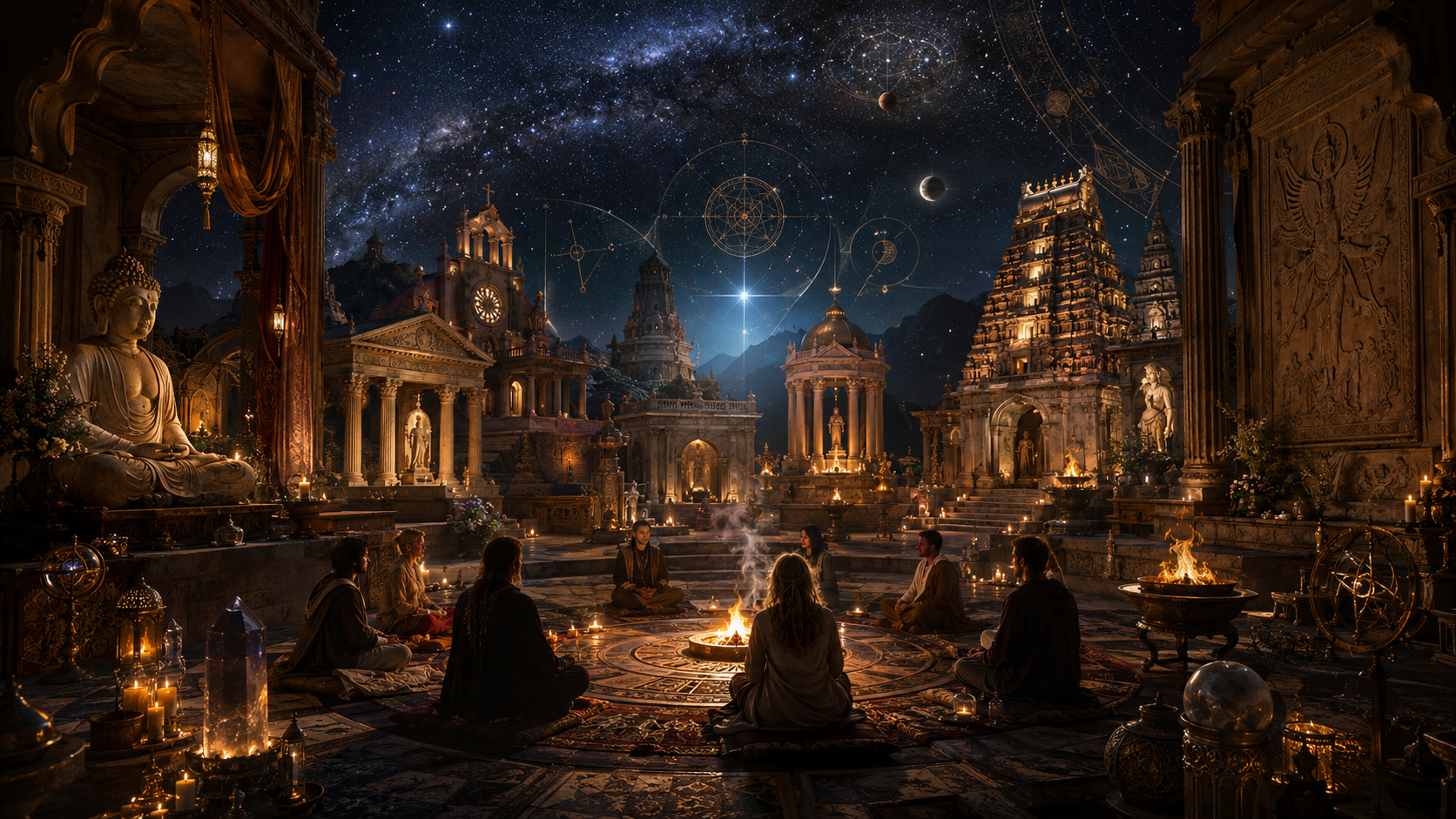
The beliefs of the New Age movement generally derive from religious and philosophical traditions: Judeo-Christian, also Vedic, Hindu, Buddhist and other ancestral traditions such as Gnostic, Mazdean, Hermetic and occultist. They seek a relative approach to established truth. “One truth, but many paths” or “many paths, one mountain”. For the movement, truth itself is defined by the individual and their experience of it. They claim not to be religious, but spiritual, and this slogan of self-identification became a business. Therefore, we could say that the New Age movement is widespread. It is present in politics through proposals of new organised governments -European Union, United Nations, among others-. It is present in religions with the return of Jesus Christ, or the arrival of a new Jewish Messiah. Also in historical and archaeological sciences, there is a constant new era of discoveries. New Age thinking has generally been accepted since, in the year 2000, we entered a New Millennium. And it is precisely with the arrival of the new millennium that the digital revolution arrived, which changed the world as we understood it. The New Age movement has been and continues to be called a movement because it is not an institution in itself -decentralised power-. It does not have defined religious rules or shared political frameworks, nor compatible scientific teachings. Therefore it cannot be defined as Religion, Politics, or Science. In this way, the movement has given rise to thousands of strands called “the New Age”, which in reality have nothing to do with one another. For example, the vegan movement is a New Age philosophy; transpersonal psychology or climate change are also New Age philosophies. Both form part of the movement, but in reality have nothing to do with one another.
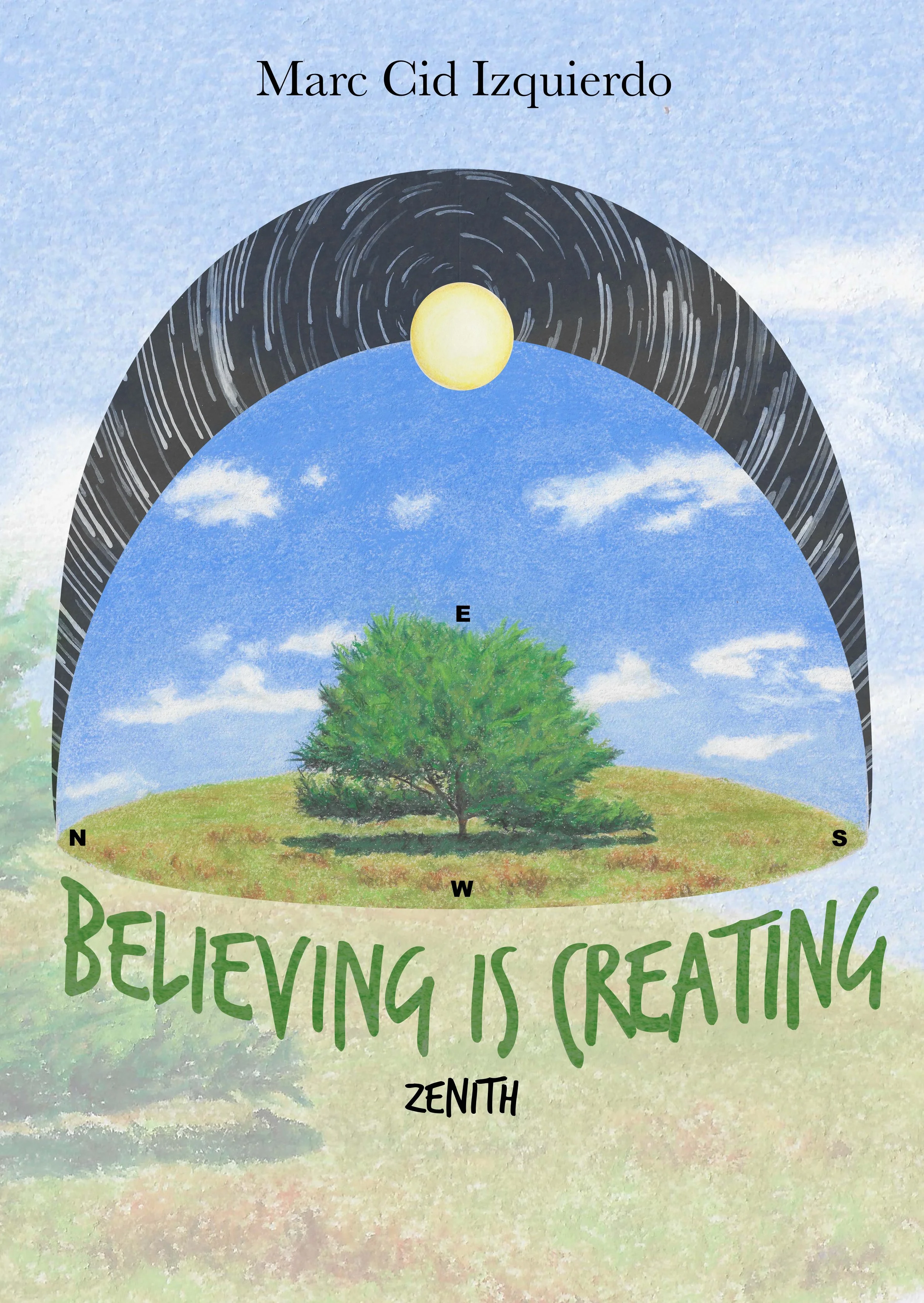
For Christians, the New Age represents the return of Christ; obviously this return would not be well received by the Church, since a new Jesus would dismantle all the plans built in his name. In this regard, Pope John Paul II warned his followers:
“The ideas of the New Age sometimes make their way into preaching, catechesis, congresses and retreats, and thus come to influence even practising Catholics who may not be aware of the incompatibility of these ideas with the faith of the Church.”
For the philosophical movement of the New Age, it is the era of the redemption of man and the encounter with the divine being within us. For environmentalists, it is the era of reconciliation with nature and the realisation of the human being as a conscious being among all living beings of nature. Promoters announce the return of occultism, witchcraft and superstition, which would be nothing more than the revival of ancient rituals and beliefs. With industrial development, and the expansion of corporations into multinational enterprises, the loss of traditions, or of any sense of humanity, due to global material consumerism, has led humanity into a mental-physical illness. And into a real problem within the democratic-monetary system: debt. Which has caused a global socio-economic crisis
Democratic capitalism was responsible for educating with the idea that in order to be happy it was necessary to possess and conquer, disguised under a slogan that read: “The more you buy, the happier you will be”. Many people in the world, because of this, have resigned themselves to depression and sadness, since happiness is expensive. And the means to achieve it depends on luck or being born in the right place. As a result of this democratic capitalist depression, all these therapeutic movements emerged based on the idea that happiness was not achieved through buying, but through transcending as a conscious person. It did not matter how much money you had or how many things you could acquire and possess; at the end of the path, the heart weighed more than a feather. That is, you would not be valued for what you owned, because you could not take any physical belonging with you wherever you went after death, but for what you had felt, thought or lived while in the body. This therapeutic art was called personal work, and its main focus was light and shadow. Or love and fear, which are the primary emotions from which all our emotions arise.

The reference to the movement as the New Age comes from the works of the Englishwoman Alice Anne Bailey -1880-1949- titled “The Discipleship in the New Age” and “Education in the New Age”. Later she herself would found an association in order to prepare humanity for a radical change. And just as happened with the word sports, the term New Age entered dictionaries across the world under Anglo-Saxon linguistic industrial dominance. The sources that feed such a broad movement as the New Age are multiple, taken from one another -at times bordering on absurdity- and likely lead back to a lost point in history.