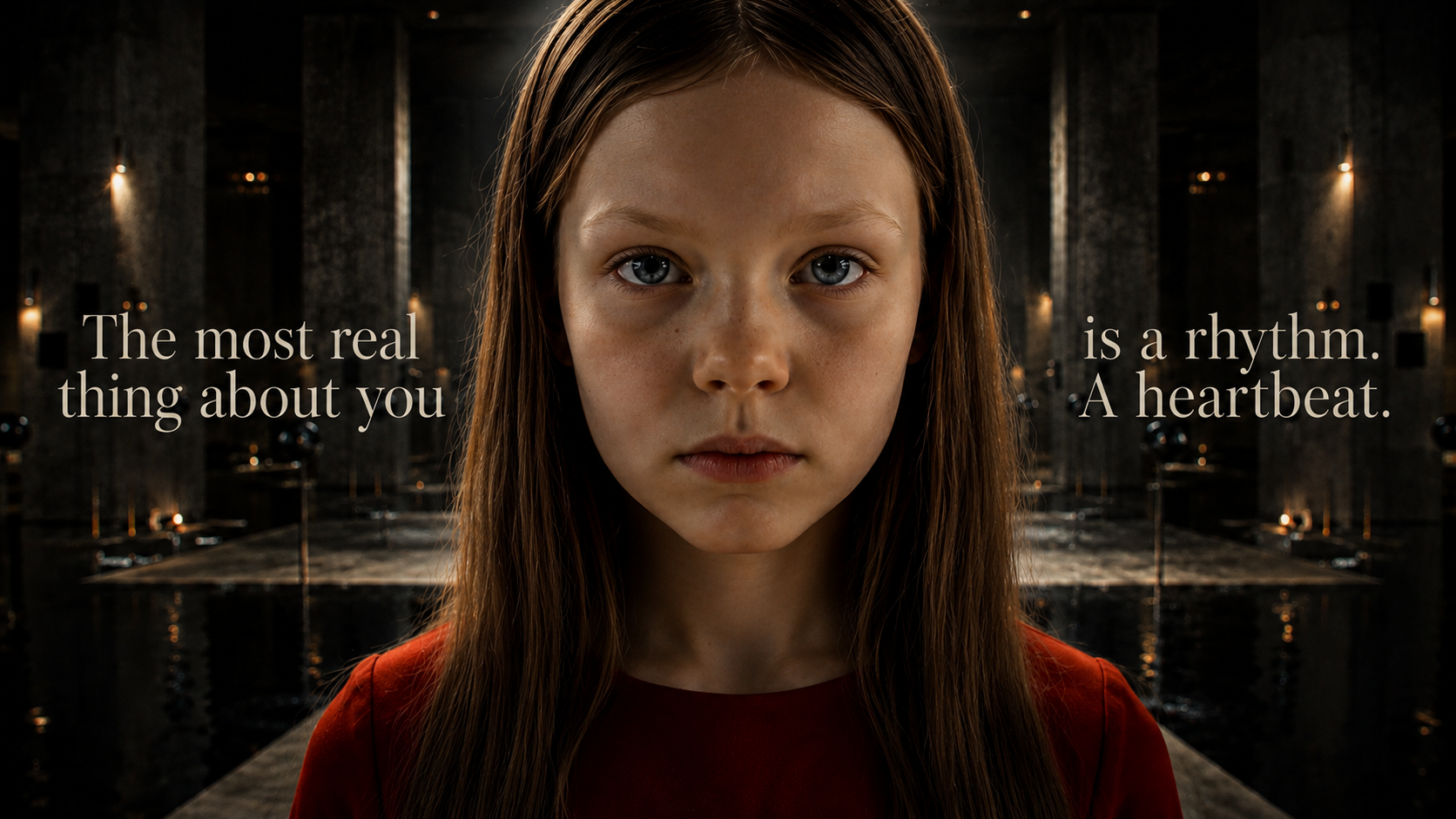
The conflict between the brain and the heart (and why it disconnects you from yourself)

We have been bound to the belief in the supreme power of thoughts over feelings, at least since René Descartes pronounced that famous phrase: “I think, therefore I am”. Contemporary reality has been constructed from that fundamentalism, handing over the power to create our reality to thinkers and theorists such as Karl Marx, Nietzsche, Newton or Freud, and to that whole range of figures who shaped our world through rational and mechanistic ideas -logic and prediction-.

Thoughts would represent that rational source of practical ideas -which can be measured, seen and touched- that arise from thinking generated by the human brain, the most advanced organ of all fauna. During the Modern Age it was discovered that the brain was not the only source of neurons; a similar source could also be found in the heart, and even in the stomach a source of dependent neurons had been detected. Therefore, the brain, the heart and the stomach are all mind: they think in an interdependent way, generating rational or emotional ideas.

The heart would be the emitter of feelings -it beats-; that would be one of the reasons why we place our hand on the heart when we want to express something deep -in certain cultures the heart is touched as a form of gratitude-. Meanwhile, the stomach would be the place where the feelings experienced by our heart are housed, gestated and lived -heart rhythm-. Feelings generate rational thoughts to nourish physiological needs. One must feel hunger in order to think about how to end it.

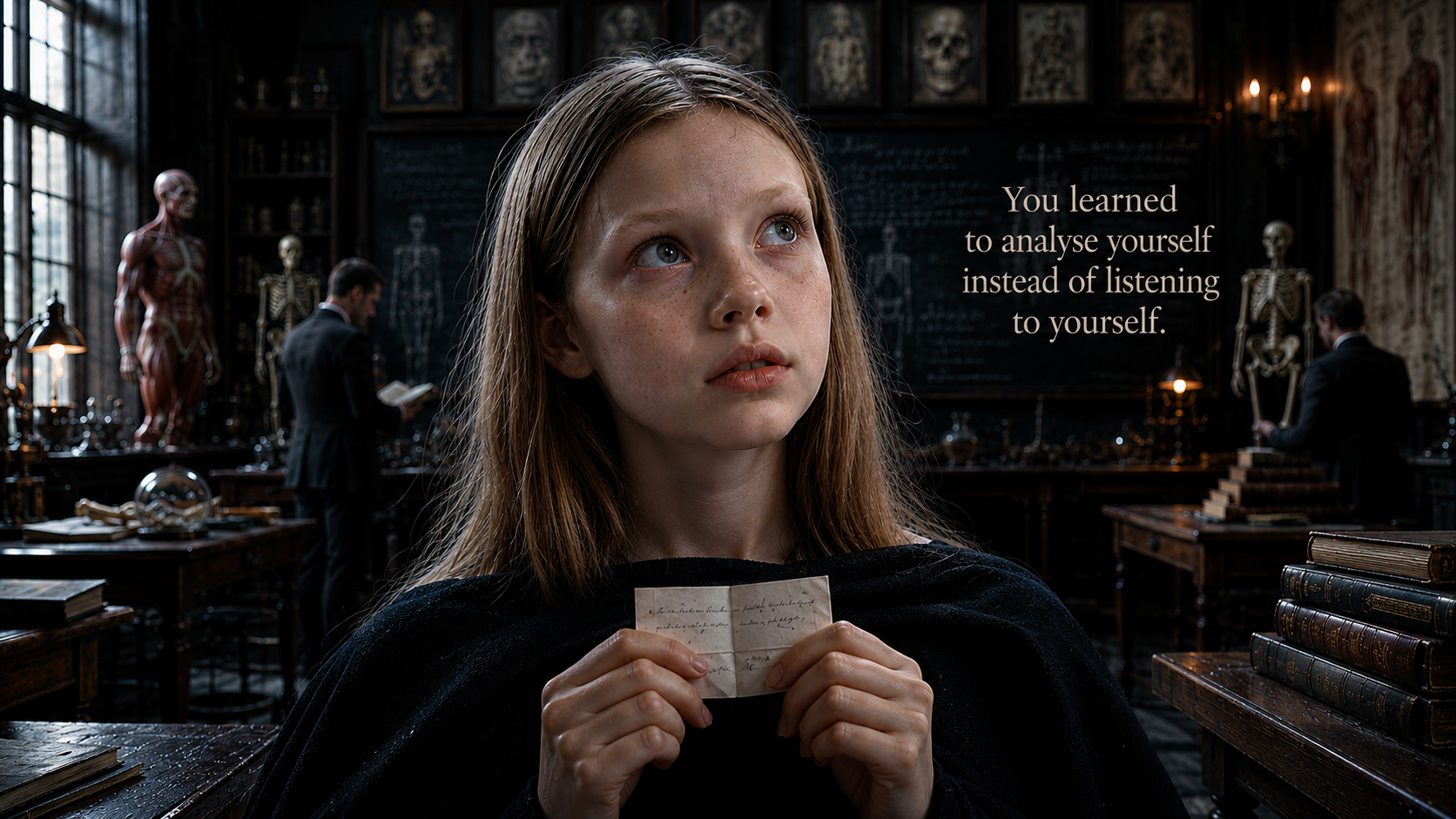
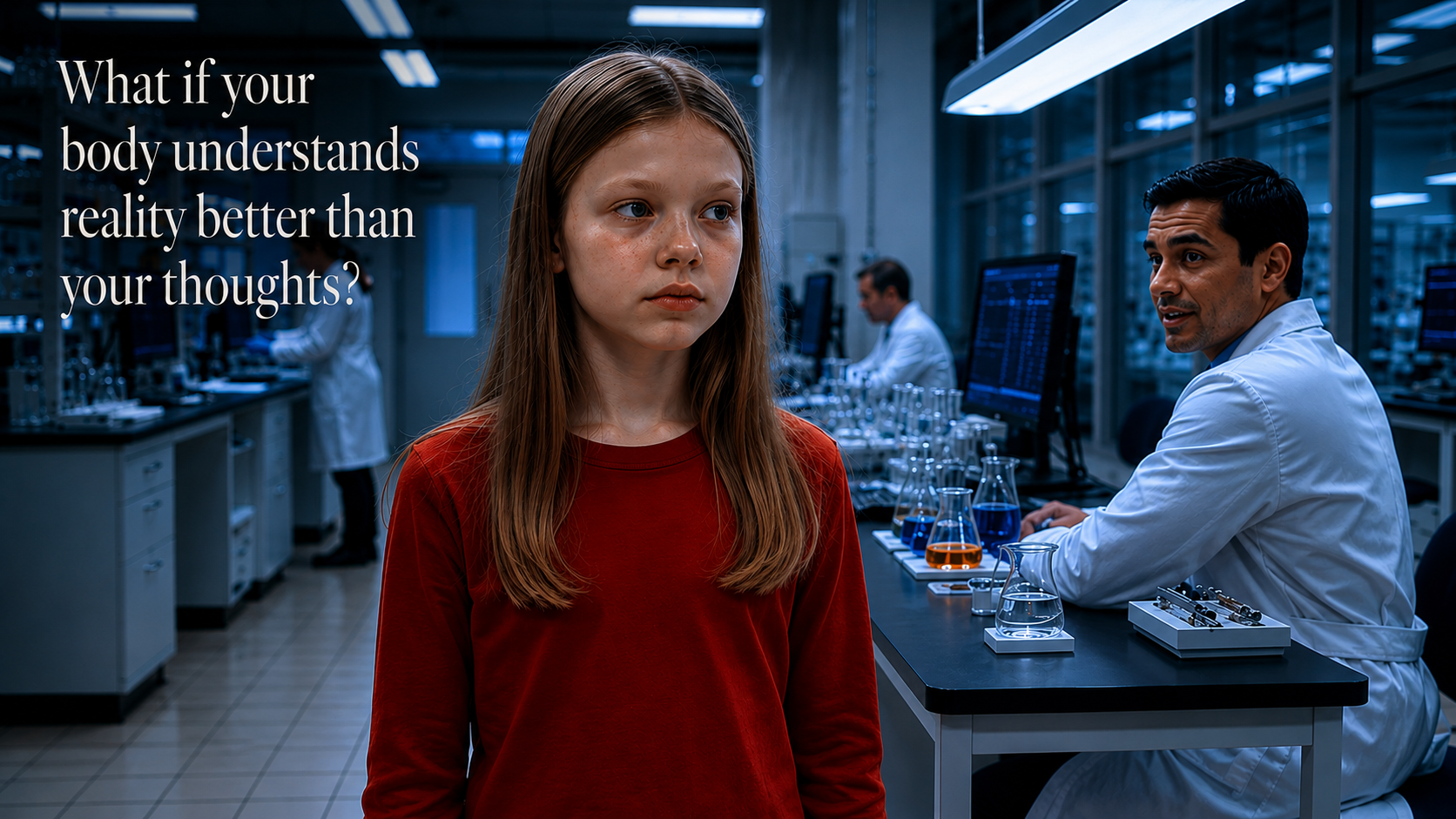
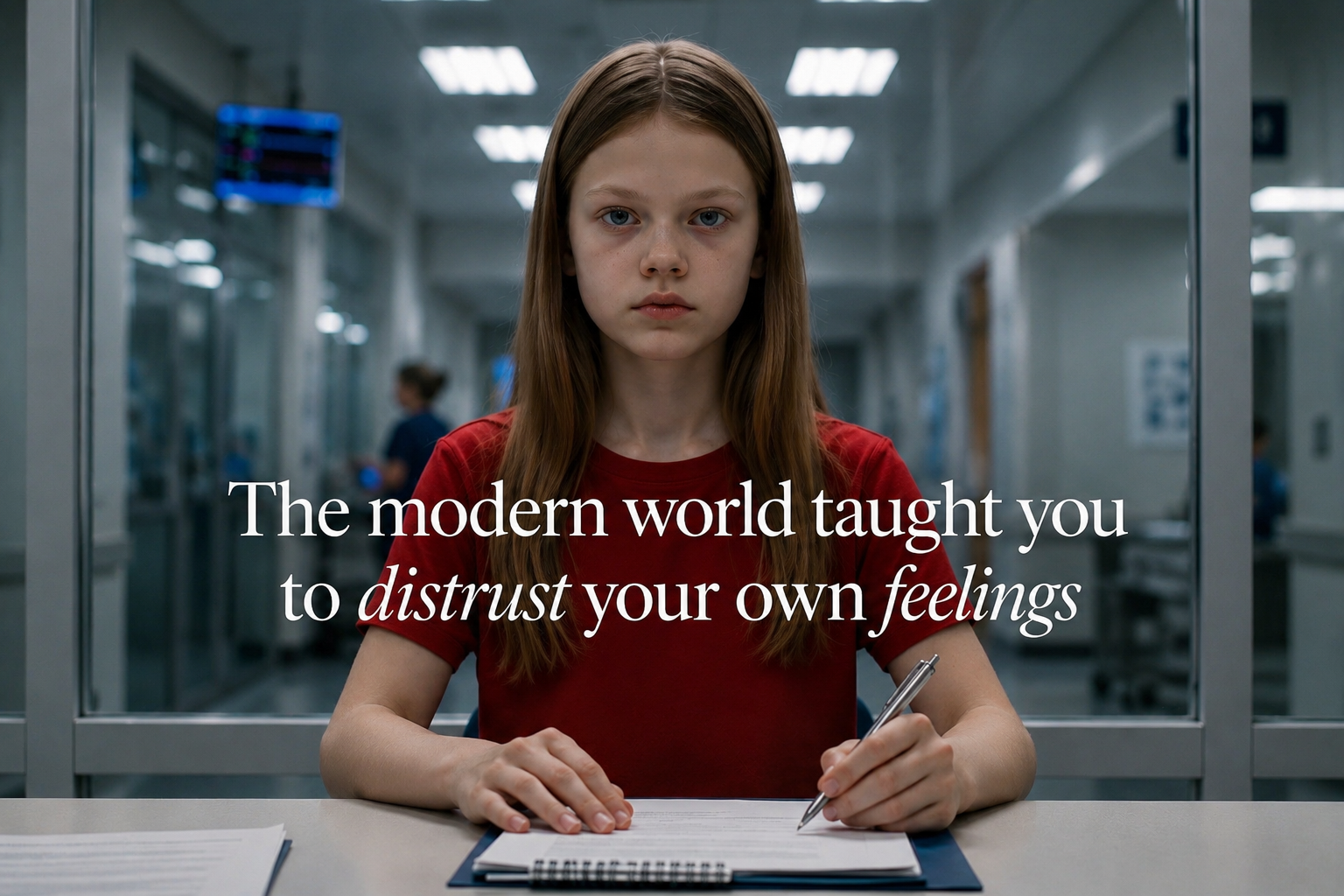
Our educational system, instructors of reason, has focused 70 all its efforts on creating little brains and vilifying anything that does not align with the current of rationalism. Feeling has been associated with chaos. Because when you feel, you don’t think -you can’t control yourself- as if you were possessed. You cannot be controlled or have your movements predicted. They have programmed into our system -our temple- a series of rationalist ideologies focused primarily on two institutional currents known as religion and science. And they have abandoned our heart and stomach to the reality of fragility and unproductiveness, as they are not seen as sources of rational, practical and predictable ideas. This worship of the brain, which judges everything -naming, labelling, creating categories- has caused hysteria and disorders of feeling in the hearts and stomachs of humankind, in their irrational minds. For example, when you smile, it is assumed you must be happy, and when you cry, it is assumed you must be sad. But no one understands what it means to have a wounded heart, or a stomach in knots, because the brain cannot touch, see, or measure the feelings and emotions that arise from them, they remain hidden in a non-rational mind. You’ll say that the pain will pass, or that perhaps it’s a digestive issue. You won’t elevate the feeling or express it; instead, you’ll rationalise it. And that pain and oppression will gradually transform, reappearing later in the form of a mental disorder. Hysteria becomes sociopathy, that is, learning to live with pain and oppression in the most rational way possible. Because those feelings and emotions cannot be brought to light through reason; they cannot be dissolved in that way. It is an intangible internal process, made of images and sounds. Perhaps you have a broken and unsettled heart because you can’t find a job to feed your family. Or maybe it’s because you have no friends, partner, family, or home. Or maybe you have all of that, yet none of it resonates with you. No one cares. Those feelings are not productive for reason; they hold you back rather than move you forward.

The word “to feel” comes from the Old English “felan”, meaning “to touch, to perceive by touch”, and is related to the Germanic languages. In lantin comes from the word “sentire”, and it’s defined as: 1. tr. To experience sensations caused by external or internal sources. 2. tr. To hear or perceive through the sense of hearing. The word itself creates confusion for our grammar scholars. They are unsure whether it refers to a verb of perception or emotion. They try by all means to provide it with a rational understanding, to assign it a place in their dictionary of established realities, built through languages of words. Feeling is unpredictable, because it is not born in the brain, it was not created by it. It has been named, but it is volatile, mutable, with diverse meanings, without an acquired identity. You could say a thousand words, but if you did not feel them, you would merely be reciting and repeating. Feeling is the halo or spark spoken of by all traditions throughout history. It is when we feel that we are truly alive, it is what confirms our existence: our heart beats. We feel things, and therefore we can think about them. If we didn’t feel the Sun, its heat touching our skin and blinding our sight, we would never think 71 Once upon a time, the soul: The Word about it. If we didn’t feel pain, we wouldn’t think about how to heal the wound. If we didn’t feel that we think, we would be robots. We would live in a world without colour, without music, and without light. If we couldn’t feel, we wouldn’t be able to reflect, to hear, to smell, to listen, to speak, or to touch. We know that we are touching something because we feel the contact. When you consider the heart, you generate feelings. When you haven’t considered it, you only learn about feelings. In a society ruled by the brain, a brain that has never considered the heart, feelings have been programmed. So, our answers to all questions will be sought through thought with the brain, and in turn, we will only seek questions that suit our rational understanding. A rational question will never settle for another answer that is not rational. It will search through the programmed language and its dictionaries for that answer. Just between all those words. So, when you feel that you think, you will believe that you think that you feel, instead of thinking again about that you felt. That you think!