The ostentatious stars lacking grace (and how beauty is programmed)
What is it to be handsome, or to be ugly? There are two kinds of beauty: the rational and that of the senses. The rational has been determined through an image programme, in which height, weight, colour, size, age, hair, eyes, ears, nose, neck, skin, chest, etc., are stipulated. They have given us their examples, erected as heroes of humanity. As the perfect prototype. But perfect -for what? To be admired, desired, observed, anointed, powerful, and for being perfect. Because when everyone looks at you, it seems as though they admire you. They fill the void created by the decision to become the model of your society. Because when you fit the prototype, you choose admiration or you encounter envy. Everyone will want to look like you, they will value you for what you appear to be and judge you by it, even vilifying you for having a pretty face. We have rejected millions of people throughout our lives because they did not fit the established prototype. As if love were meant to be displayed!
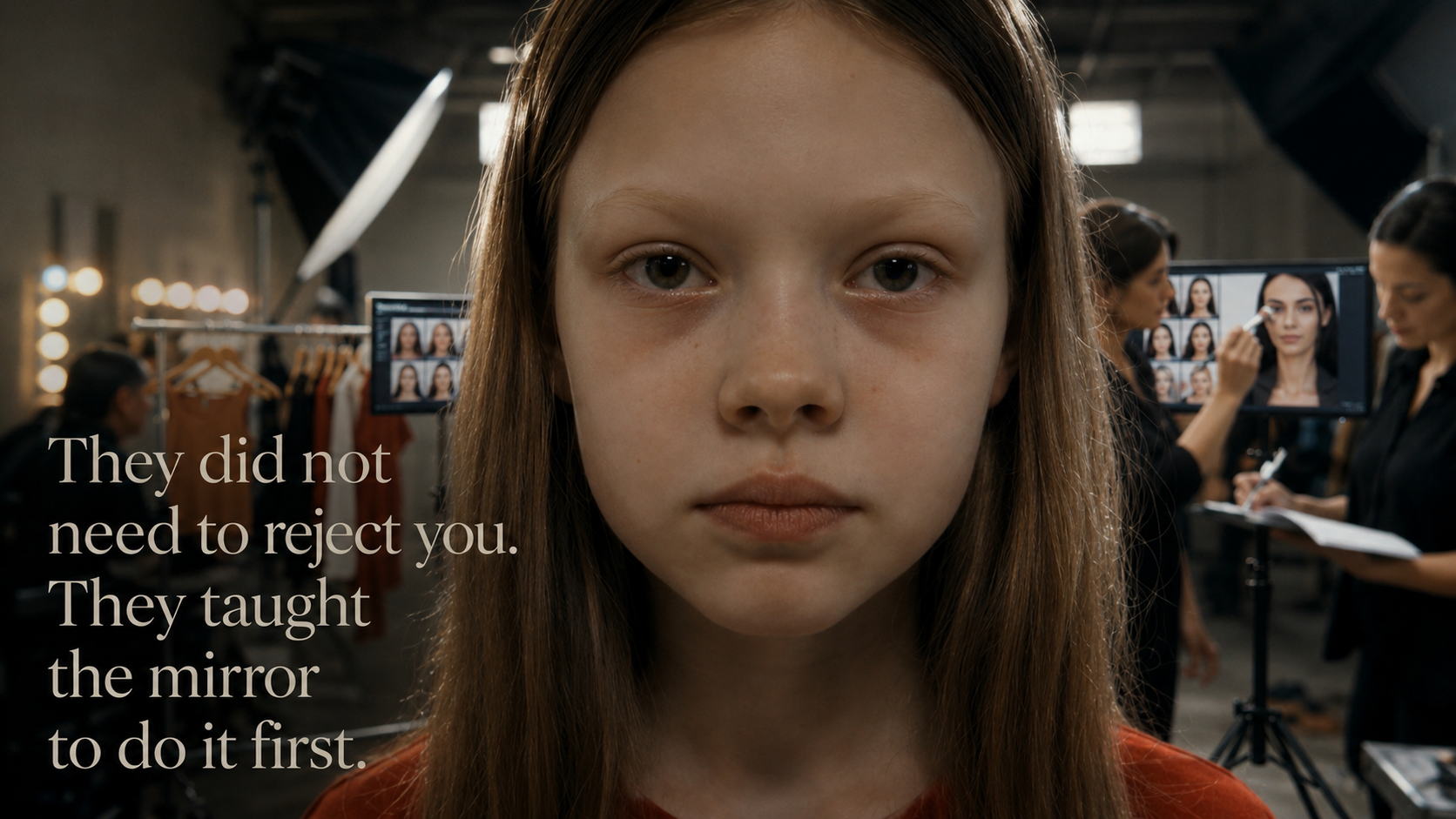
From a very young age, we were taught to compare our Christmas presents with those of our friends. Everything has always been about showing the other what I have, what I am. We have used our partners and friends, by showing them or hiding them, to appear as what they are. Men look for women who fit programmed prototypes. Not because they truly like it, but because of the image instilled in their minds of what a perfect woman should be, the same image instilled in the other -it generates competition-. So the closer I get to the established prototype, the prouder I will feel, before other men, of my achievement. Because I have the woman they have been told is perfect. Thus, the woman dedicates herself to “being perfect”, appearing to “be perfect”, so that she may be desired by another man -standing out above another woman-, who must fit the established prototype, whose basis is that she has a good financial position. She is the perfect woman; therefore, the man must be perfect. The beauty of the senses does not understand programmes. It is based on touch, sight, smell, hearing and taste. It has happened to all of us: we see someone and, judging them through rational beauty, we reject them, but once we get to know them, the senses do what ideals cannot -to feel the true beauty that arises from “seeing the other” for what they are-. Even so, we continue to justify ourselves. Yes, she is not very pretty, but she is so kind. Or, for example, he has no money, but he is so generous. Being handsome or ugly makes no sense in the world of the senses. It does not tell you how someone smells, nor how they feel to the touch. Yet we cannot answer that question without justifying ourselves. Because it is not us who determine it, but the other, based on a programme that has been established.
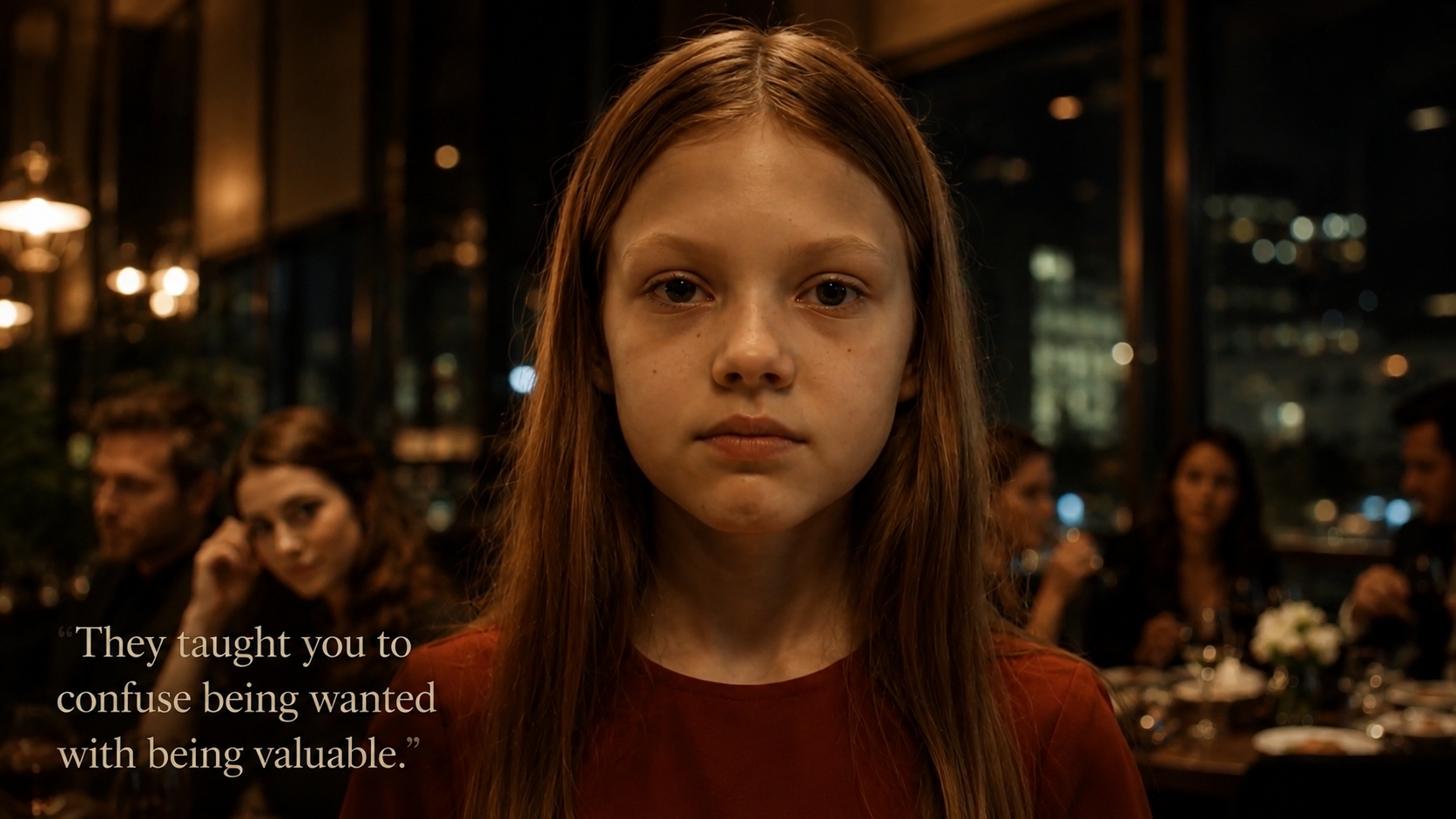
Why consider oneself handsome? Because we seek acceptance, we seek attention and to be desired -to stand out on Earth as the stars do in the sky-. Out of fear of being rejected, not accepted or loved, for not appearing as one is supposed to. Your beauty is unique, because there is no one like you. It is the vessel you are in this life. The truth is that all those heroes up there, in posters or magazines, in the hall of beauty, each and every one of them fights daily -through gyms, diets, dentists and surgeons-, investing their time and money in maintaining the established stereotype. One that ends up condemning them, one by one. Because time is the same for everyone. Science cannot change it -it creates unnaturalness-. All these heroes have an expiry date, before being replaced by new heroes who, by then, will realise they too have been used. Because being handsome or ugly is an opinion generated by the programme, to sustain a prostitution of image. So do not confuse being handsome with being beautiful. One is loaded with conditioning and projections, the other simply is. The word handsome means: man, that is good for the look and taste: attractively. In Latin, for the same meaning, they use the word, vappa, and refers to the narcissistic, corrupted and morally spoiled man, the presumed macho, who turns out to be attractive –sexual attraction-. While the word ugly, etymologically means: very unpleasant to look at. In latin they use the word foedus, and means: absence of beauty. The word beautiful comes from the Latin bellus, which is the quality of that which is beautiful, pretty or graceful – granted a grace, like the dawn of a new day-.