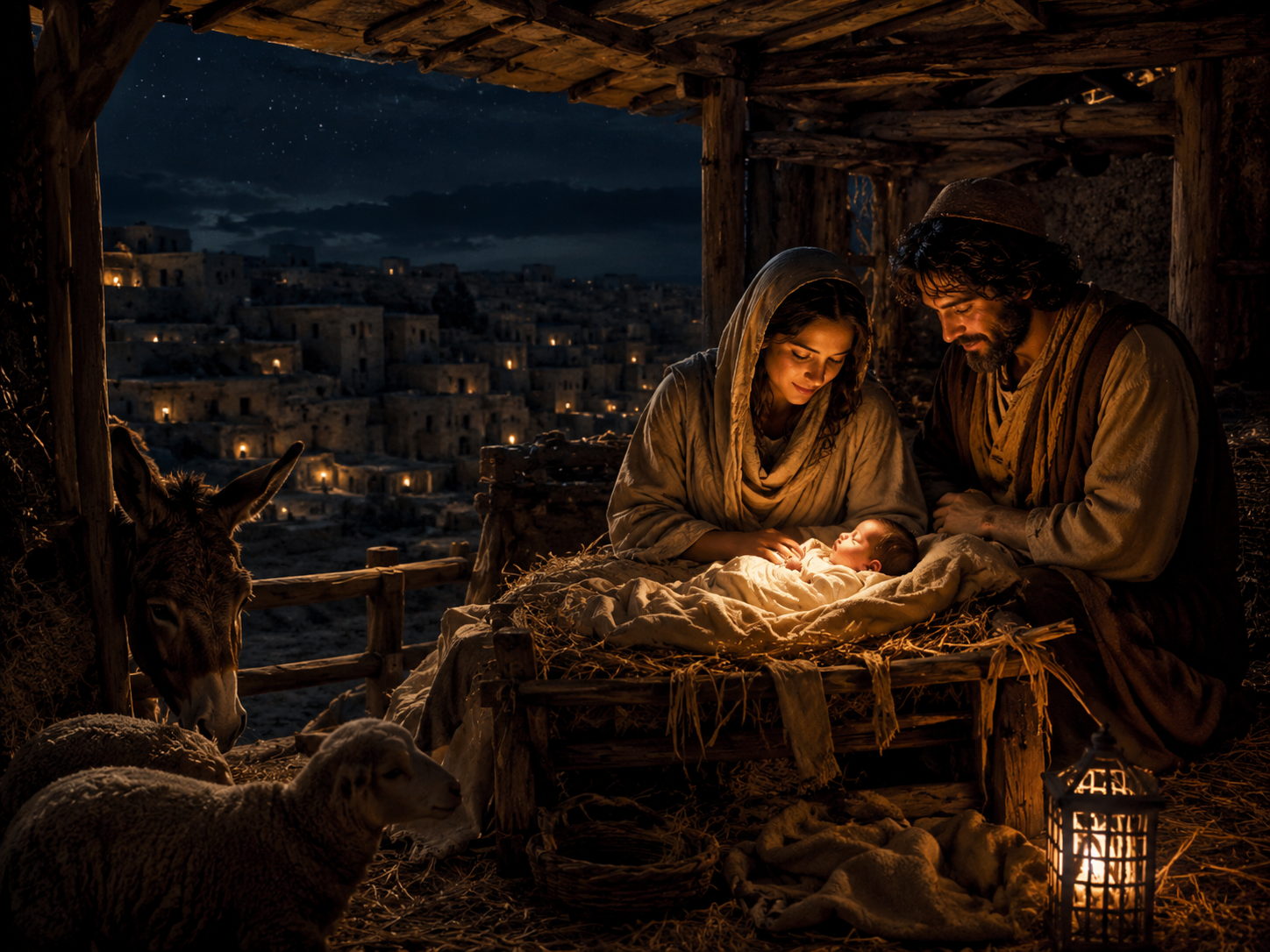
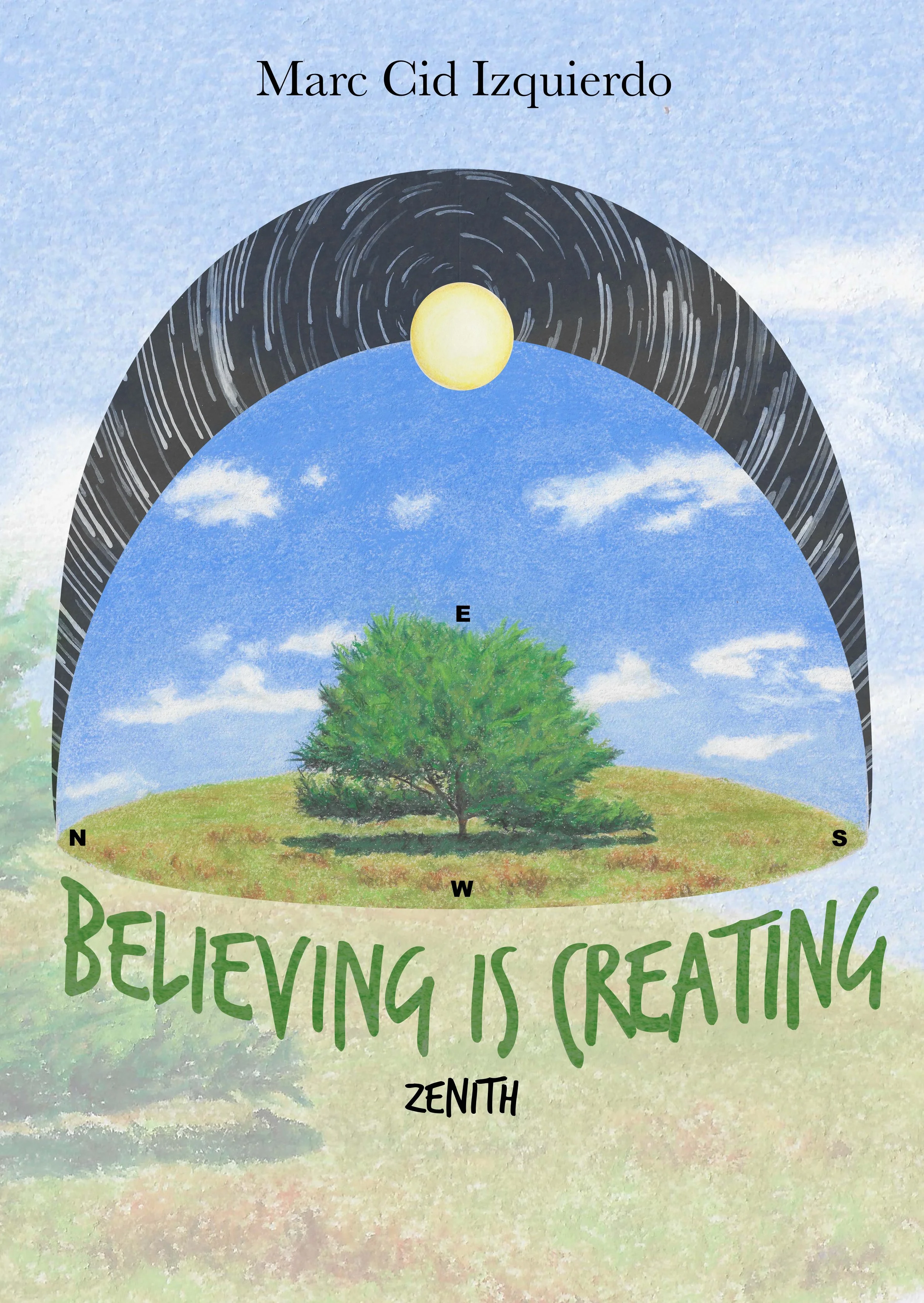
The season begins with a period known as Christmastide, which concludes with the Epiphany of the Lord, also known as the baptism of the Lord -from that moment, Jesus would begin his path to make himself known-. Yet the 25th of December, that is, the time of the winter solstice, is not exclusive to Christian churches. This period was originally a pagan celebration. In Roman times, for example, the 25th of December marked the festival of Natalis Solis Invicti, that is, the day of the unconquered sun, which actually corresponded to the 21st or 22nd of December in the Gregorian calendar. From this tradition, the Christian Church, in its intention to unify religious peoples, adopted this date as the birth of Jesus Christ, the Son of God, born of a virgin. The day of the unconquered sun formed part of a festive period of approximately fourteen days, beginning on the 17th of December and ending on the 31st at midnight. This festive period was known as the Saturnalia. This tradition dates back to the reign of Romulus, founder and first king of Rome, and was dedicated to the god Saturn, god of agriculture -the one who understands the cycles of the sun and predicts the harvests-, light of candles and torches, father of Jupiter and other gods of the Olympian pantheon.